Exploring the Future: 3D Printing in Beale Air Force Base, California
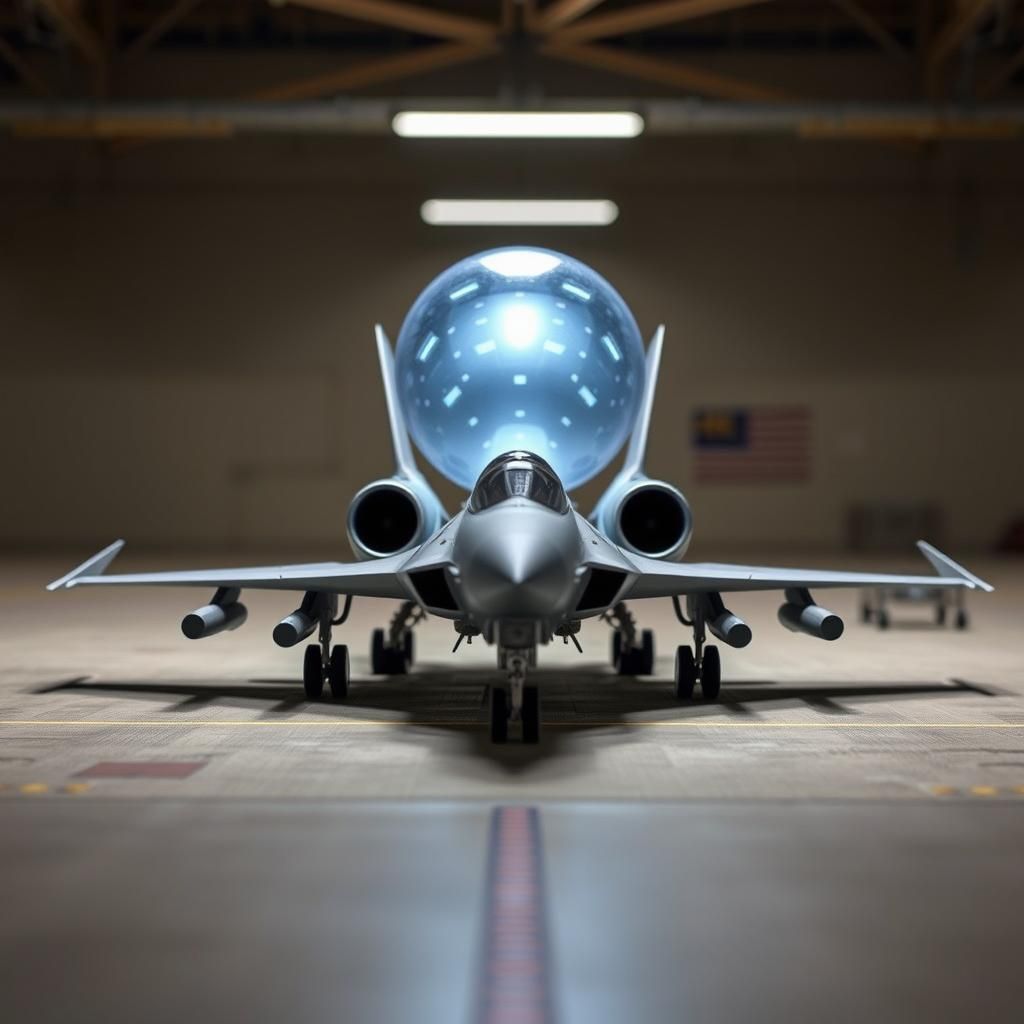
In recent years, 3D printing has emerged as a transformative technology, revolutionizing various sectors, including defense and aerospace. Beale Air Force Base in California stands at the forefront of this innovation, harnessing the power of additive manufacturing to enhance operational capabilities and streamline maintenance procedures. As the U.S. Air Force explores the future of military logistics and supply chains, 3D printing offers unprecedented opportunities for rapid prototyping, cost reduction, and increased efficiency. This article delves into the applications of 3D printing at Beale Air Force Base, highlighting its potential to reshape military operations and foster a new era of technological advancement in the defense sector.
Innovative Applications of 3D Printing at Beale Air Force Base
Beale AFB

California
None
| Name | Location | Focus Area | Website |
| Beale Air Force Base | California, USA | 3D Printing Technology | beale.af.mil |
| Established | Operational since 1942 | Innovation & Research | Military Applications |
| Key Benefits | Cost Efficiency | Speed of Production | Custom Solutions |
The Role of 3D Printing in Modern Military Operations
The integration of 3D printing technology at Beale Air Force Base in California is set to revolutionize military operations by enhancing production efficiency and reducing logistical challenges. With the ability to fabricate parts on-site, the base can quickly produce essential components, minimizing downtime and enabling faster deployment of mission-critical equipment. This adaptability not only saves time but also significantly lowers costs, as the reliance on external suppliers for spare parts diminishes. As the U.S. military continues to innovate, 3D printing stands out as a crucial advancement in achieving operational readiness and effectiveness.
Benefits of On-Demand Manufacturing
On-demand manufacturing through 3D printing provides significant advantages for Beale Air Force Base by allowing customization and rapid prototyping of necessary parts. Rather than relying on traditional supply chains that can be time-consuming and costly, the base can create tailored components specific to mission requirements nearly instantly. This flexibility in production means that if a particular part is needed for a specialized aircraft or system, it can be designed and printed on the spot, enhancing responsiveness to operational needs and reducing the potential for delays.
Environmental Considerations of 3D Printing
The adoption of 3D printing at Beale Air Force Base also presents unique environmental benefits. This technology can reduce waste associated with traditional manufacturing processes, as only the necessary materials are used to create parts. Additionally, 3D printing can facilitate the use of sustainable materials, aligning with military objectives to minimize carbon footprints. By embracing eco-friendly production methods, the Air Force can demonstrate a commitment to environmental responsibility while maintaining operational capabilities.
Training and Skill Development Opportunities
The implementation of 3D printing at Beale Air Force Base offers valuable training and skill development opportunities for personnel. As service members gain proficiency in using this advanced technology, they are equipped with cutting-edge skills that are increasingly relevant in the defense sector. Training programs can encourage innovation and encourage a culture of creativity, allowing personnel to explore new applications for 3D printing within military settings. This practical experience fosters a more adaptable and skilled workforce, crucial for future military effectiveness.
Challenges and Limitations of 3D Printing
While the benefits of 3D printing are substantial, there are also notable challenges and limitations that Beale Air Force Base must navigate. Key concerns include ensuring the quality and durability of printed parts, as well as addressing any potential security risks associated with technology use and data management. Furthermore, the integration of 3D printing into existing manufacturing and logistics systems requires careful planning to avoid disruptions. Overcoming these hurdles will be critical in realizing the full potential of 3D printing within military operations.
The Future of 3D Printing in Defense
Looking ahead, the future of 3D printing in defense, particularly at Beale Air Force Base, seems promising as technological advancements continue to evolve. Future applications may include the ability to print entire systems or even structures, significantly transforming military infrastructure. Research and development initiatives may focus on enhancing material properties and printing techniques to support more complex applications. As the military embraces these innovations, 3D printing could become an integral part of supply chain strategies, pushing the boundaries of what is possible in modern warfare.
Frequently Asked Questions from Our Users
What 3D printing technologies are utilized at Beale Air Force Base?
At Beale Air Force Base, various 3D printing technologies such as Fused Deposition Modeling (FDM) and Selective Laser Sintering (SLS) are employed to create intricate prototypes and components. These technologies enable the rapid production of parts, reducing lead times and costs while enhancing operational efficiency.
How does 3D printing contribute to mission readiness at Beale Air Force Base?
3D printing significantly enhances mission readiness at Beale Air Force Base by allowing for the rapid prototyping and on-demand manufacturing of parts. This capability ensures that critical components can be produced quickly, minimizing downtime and ensuring that aircraft and equipment remain operational.
What types of materials are used in 3D printing at Beale Air Force Base?
At Beale Air Force Base, various materials are utilized for 3D printing, including thermoplastics like ABS and PLA, as well as metals such as titanium and aluminum. The selection of materials depends on the requirements of the specific applications and the desired properties of the printed objects.
Yes, Beale Air Force Base offers training programs that focus on enhancing skills in 3D printing technologies. These programs are designed to ensure personnel are proficient in operating different types of printers and understand the materials and processes involved, thereby improving overall capabilities within the base.
 Unlocking Innovation: A Comprehensive Guide to 3D Printing in Benicia, California
 Unlocking Innovation: The Future of 3D Printing in Shasta Lake, California
 Exploring 3D Printing in Shingletown, California: Innovations and Opportunities
If you want to read more articles similar to Exploring the Future: 3D Printing in Beale Air Force Base, California, we recommend you visit our Ranking category.
Leave a Reply
Articles connexes